
What is Logistics and Why Does It Matter?
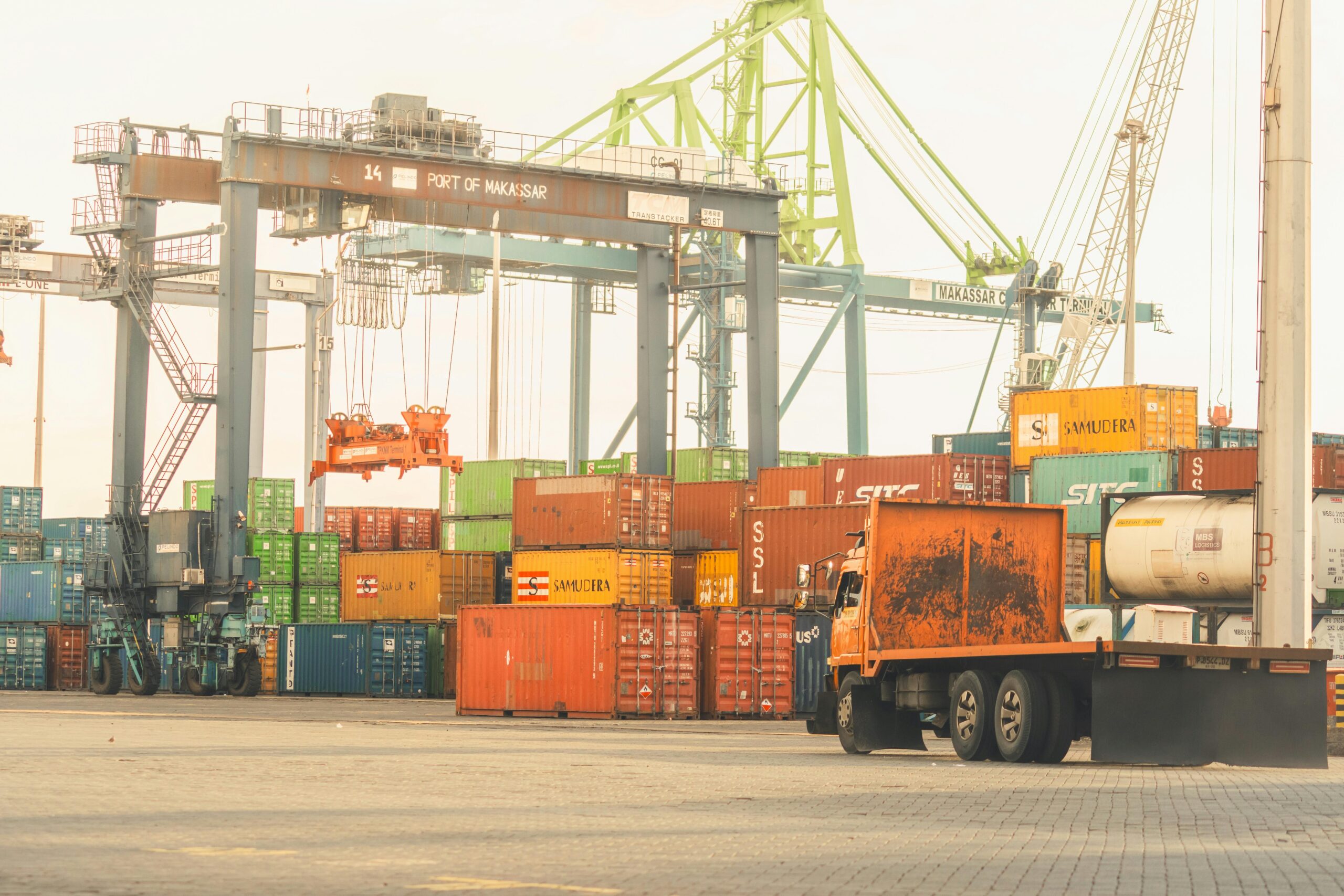
Logistics is the backbone of global trade, encompassing the planning, execution, and control of the movement and storage of goods from origin to consumption. At the Port of Makassar, our state-of-the-art Port Operations System exemplifies cutting-edge logistics, optimizing industrial throughput through advanced crane technology and robust container management. This system streamlines operations, ensuring efficiency in every step of the supply chain. Whether you're shipping electronics from Asia or raw materials to Europe, understanding logistics is crucial for businesses aiming to reduce costs and improve delivery times.
What Services Does a Comprehensive Logistics Service Provide?
A reliable logistics service covers everything from inventory management to final delivery, integrating transportation, warehousing, and distribution. In our innovative setup at the Port of Makassar, the logistics service includes seamless loading and unloading via an integrated crane system, which enhances turnaround times while upholding the highest safety standards. This service also incorporates eco-friendly protocols to align with sustainable practices, making it ideal for environmentally conscious companies. For instance, the dynamic interplay of heavy-duty trucks and a lattice of vibrant, multi-colored shipping containers demonstrates meticulous planning that supports diverse international trade networks. Clients often ask how such a logistics service can handle peak demands—our system is designed for scalability, ensuring disruptions are minimal even during high-volume periods.
How Does Transportation Logistics Enhance Global Efficiency?
Transportation logistics focuses on the efficient movement of goods via various modes like sea, road, and rail, playing a pivotal role in reducing transit times and costs. At the Port of Makassar, transportation logistics is revolutionized through our advanced infrastructure, where heavy-duty trucks coordinate with crane operations to manage an intricate network of containers effortlessly. This not only boosts operational speed but also minimizes environmental impact through optimized routes and green technologies. Businesses frequently inquire about the integration of real-time tracking in transportation logistics—our system provides just that, offering visibility that helps predict delays and optimize schedules. By leveraging such transportation logistics, companies can step into the future of shipping, ensuring reliable and sustainable supply chains.
Common Challenges in Logistics and How to Overcome Them
One frequent question in logistics revolves around handling unexpected disruptions, such as weather delays or supply shortages. Our Port Operations System at Makassar addresses this with predictive analytics and flexible crane management, allowing quick adaptations without compromising safety. Another common concern is cost management in logistics service—by streamlining container handling and truck movements, we reduce idle times and fuel consumption, directly impacting the bottom line. For transportation logistics, integrating multi-modal options ensures resilience; for example, seamless transitions from sea to road keep goods flowing. Sustainability is also a hot topic—our eco-friendly protocols in logistics not only comply with global standards but also appeal to eco-aware partners, fostering long-term relationships.
How Can Businesses Choose the Right Logistics Partner?
Selecting a logistics partner involves evaluating their technology, reliability, and alignment with your goals. At the Port of Makassar, our commitment to innovative logistics service shines through in every operation, from container orchestration to secure transportation logistics. Potential clients often ask about customization—our system allows tailored solutions, whether for bulk cargo or time-sensitive perishables. Reliability is key; our track record of efficient throughput and safety ensures peace of mind. Ultimately, partnering with a forward-thinking provider like ours means embracing a logistics ecosystem that's efficient, sustainable, and geared for modern trade demands, positioning your business for success in the global marketplace.