
Frequently Asked Questions About Logistics
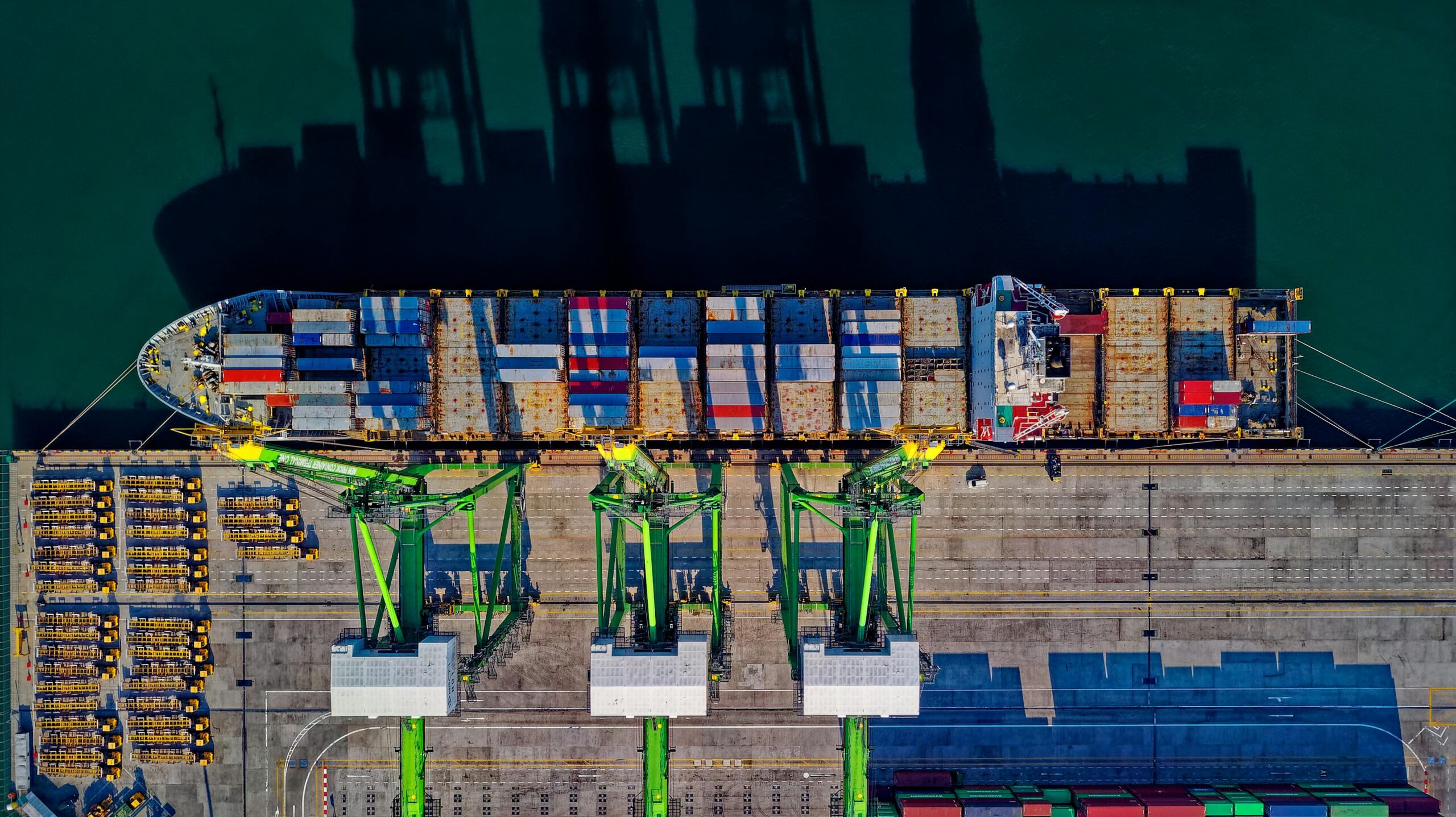
Logistics is the backbone of modern supply chains, ensuring that goods move efficiently from origin to destination. In today's fast-paced world, understanding logistics can help businesses optimize operations and reduce costs. This FAQ addresses common queries about logistics, including logistics services and transportation logistics, to provide clarity on this essential field.
What is Logistics and Why is it Important?
Logistics refers to the planning, execution, and control of the movement and storage of goods, services, and information within the supply chain. It encompasses everything from procurement to delivery, ensuring that products reach customers on time and in optimal condition. The importance of logistics cannot be overstated; it directly impacts a company's profitability and customer satisfaction. For instance, efficient logistics minimizes delays, reduces inventory costs, and enhances overall operational efficiency. In global trade, where supply chains span continents, robust logistics systems are crucial for maintaining competitiveness. Companies investing in advanced logistics solutions, such as automated technologies, often see significant improvements in turnaround times and resource utilization. Without effective logistics, businesses risk stockouts, increased expenses, and lost market share.
How Do Logistics Services Enhance Business Operations?
Logistics services are comprehensive offerings provided by specialized providers to manage the end-to-end flow of goods. These services include warehousing, inventory management, order fulfillment, and distribution. By outsourcing logistics services, businesses can focus on their core competencies while experts handle transportation and storage challenges. For example, a logistics service might integrate real-time tracking systems to monitor shipments, ensuring transparency and accountability. In the context of our state-of-the-art Automated Container Terminal, logistics services are revolutionized through automation, where robotic cranes and advanced software optimize container handling. This not only speeds up processes but also minimizes human error, boosting safety and reliability. Businesses partnering with such logistics services benefit from scalable solutions that adapt to fluctuating demands, ultimately leading to cost savings and improved service levels. Whether for e-commerce or manufacturing, tailored logistics services ensure seamless integration into existing operations.
What Role Does Transportation Logistics Play in Global Supply Chains?
Transportation logistics is a critical subset of logistics focused on the movement of goods via various modes such as road, rail, air, and sea. It involves route optimization, carrier selection, and compliance with international regulations to ensure efficient transit. In global supply chains, transportation logistics bridges geographical gaps, enabling just-in-time delivery and reducing lead times. Challenges like fuel costs, customs clearance, and weather disruptions require sophisticated strategies to mitigate risks. Our innovative Automated Container Terminal exemplifies advanced transportation logistics in maritime operations, handling vast arrays of containers with precision. Equipped with the latest automated crane technology and logistics software, it streamlines loading and unloading, significantly cutting turnaround times. This infrastructure supports the demands of international trade by enhancing capacity and flow, setting new benchmarks for efficiency. For companies relying on ocean freight, effective transportation logistics ensures reliable delivery, fostering stronger partnerships and market expansion.
How Can Automation Transform Traditional Logistics?
Automation is reshaping traditional logistics by introducing technologies like AI-driven routing and robotic systems, which enhance accuracy and speed. In facilities such as our Automated Container Terminal, automation handles container movements autonomously, reducing labor costs and operational errors. This integration of robotics with advanced logistics software not only increases throughput but also improves safety protocols, minimizing workplace hazards. Businesses adopting automated logistics can achieve up to 30% faster processing times, making them more agile in responding to market changes. Moreover, data analytics from these systems provide insights for predictive maintenance and demand forecasting, further optimizing the supply chain. For those exploring transportation logistics, automation ensures consistent performance across high-volume ports, revolutionizing how goods flow globally.
What Should Businesses Consider When Choosing a Logistics Provider?
When selecting a logistics provider, businesses should evaluate factors like reliability, technology integration, and cost-effectiveness. Look for providers offering comprehensive logistics services, including real-time visibility and customizable solutions. In transportation logistics, assess their network coverage and expertise in multimodal transport. Our Automated Container Terminal stands out by combining innovation with scalability, perfect for global shipping needs. Consider scalability to handle growth, sustainability practices for eco-friendly operations, and customer support for issue resolution. Ultimately, a provider that aligns with your strategic goals can transform logistics from a cost center into a competitive advantage.