
Frequently Asked Questions About Logistics and the EcoLoader 3000
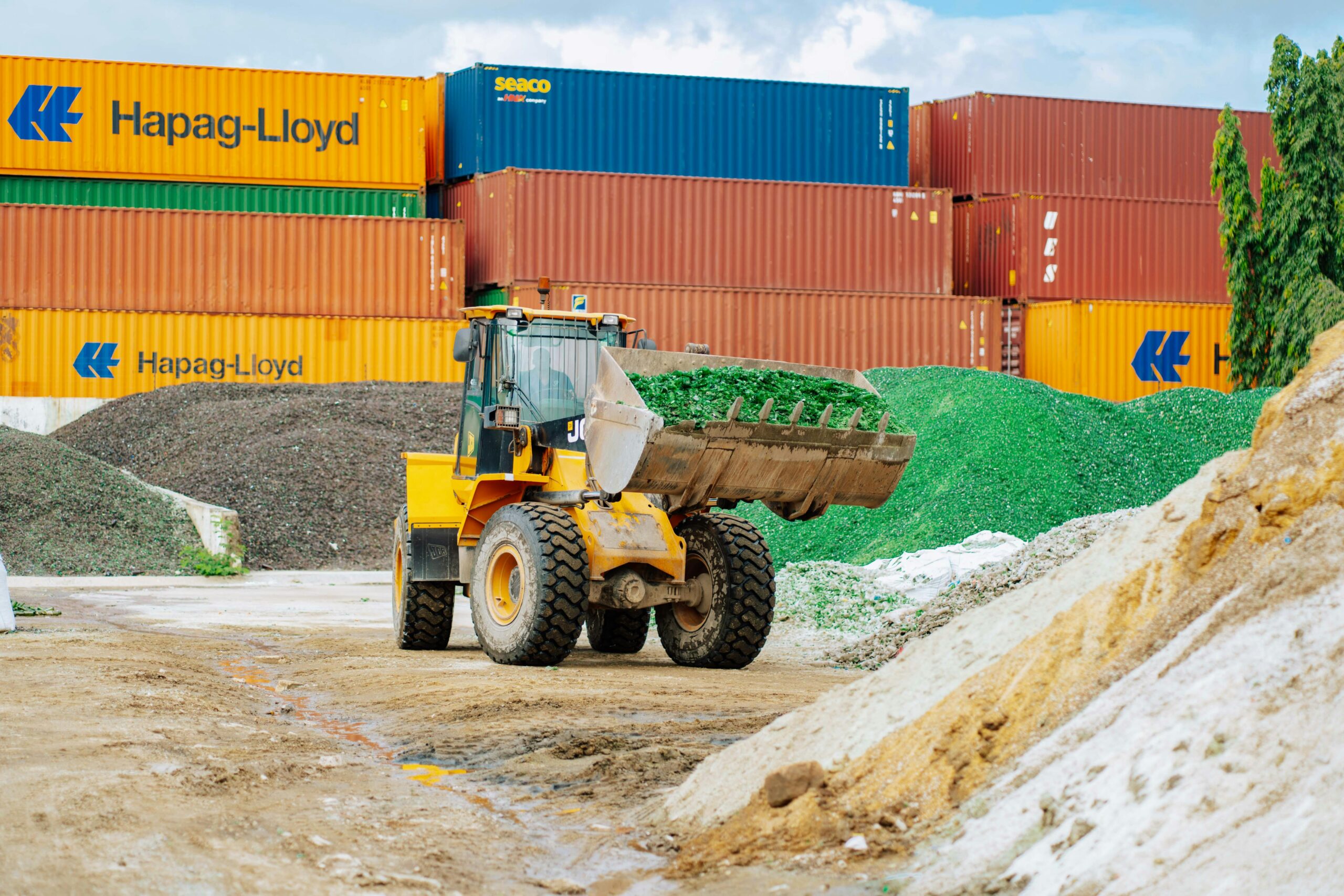
In the world of logistics, efficiency and sustainability are key drivers for modern operations. Whether you're managing supply chains or handling materials in industrial settings, understanding logistics can transform your business. This FAQ addresses common questions about logistics, logistics service, and transportation logistics, with a focus on how innovative tools like the EcoLoader 3000 enhance these processes.
What is Logistics and Why Does It Matter?
Logistics refers to the detailed coordination of complex operations involving the movement and storage of goods. It encompasses planning, implementing, and controlling the efficient flow of materials from origin to consumption. In today's fast-paced economy, effective logistics ensures timely delivery, reduces costs, and minimizes waste. For instance, a well-structured logistics service can optimize routes and inventory, leading to significant savings. Companies often overlook the environmental impact, but sustainable logistics practices, like using eco-friendly equipment, are becoming essential. The EcoLoader 3000 exemplifies this by handling recycled materials such as green glass with precision, proving that logistics can be both productive and planet-friendly.
How Does a Logistics Service Improve Business Operations?
A logistics service acts as the backbone of supply chain management, providing end-to-end solutions for transportation, warehousing, and distribution. Businesses rely on these services to streamline operations and meet customer demands. Key benefits include real-time tracking, cost-effective routing, and scalable solutions for varying volumes. When integrated with advanced technology, a logistics service can reduce downtime and enhance accuracy. For example, in recycling facilities, the EcoLoader 3000's advanced hydraulic systems and rugged tires ensure stable handling in diverse environments, making logistics service more reliable. This loader's ergonomic design also boosts operator efficiency during long shifts, directly contributing to smoother transportation logistics and overall productivity.
What Role Does Transportation Logistics Play in Sustainability?
Transportation logistics involves the planning and execution of goods movement via various modes like road, rail, or sea. It's a critical subset of logistics that focuses on optimizing transport routes to cut emissions and fuel use. With growing regulations on carbon footprints, sustainable transportation logistics is non-negotiable. Innovations like the EcoLoader 3000 are game-changers here, designed specifically for eco-friendliness while transporting delicate payloads. Its robust build handles recycled materials smoothly, reducing the need for multiple trips and lowering environmental impact. In construction sites or recycling plants, this equipment redefines transportation logistics by blending power with sustainability, helping businesses meet green goals without sacrificing efficiency.
How Can the EcoLoader 3000 Enhance Your Logistics Strategy?
The EcoLoader 3000 is a state-of-the-art loader tailored for modern logistics challenges. Equipped to manage green recycled glass and other materials, it offers precision and stability across terrains. Businesses asking about integrating such tools into their logistics service will find its features invaluable: from ergonomic controls for operator comfort to durable components for extended use. In transportation logistics, it minimizes handling errors and supports sustainable practices, aligning with global trends toward eco-conscious operations. By adopting the EcoLoader 3000, companies can elevate their logistics framework, ensuring faster, greener, and more cost-effective material flow.
What Are Common Challenges in Logistics and How to Overcome Them?
Logistics often faces hurdles like supply chain disruptions, high costs, and regulatory compliance. A robust logistics service mitigates these through technology and strategic planning. For transportation logistics, weather or traffic issues can delay shipments, but tools like the EcoLoader 3000 provide on-site reliability, reducing dependency on external transport. Training staff on sustainable equipment also addresses skill gaps. Ultimately, investing in innovations ensures logistics remains agile and resilient, turning potential pitfalls into opportunities for growth.