
What is Logistics and Why Does It Matter?
Logistics refers to the intricate process of planning, implementing, and controlling the efficient flow and storage of goods, services, and related information from origin to consumption. In today's global economy, logistics is the backbone of supply chains, ensuring that products reach their destinations on time and in optimal condition. Whether it's coordinating shipments across continents or managing inventory in a warehouse, effective logistics minimizes costs and maximizes customer satisfaction. For businesses involved in international trade, understanding logistics is crucial for staying competitive.
How Does a Logistics Service Enhance Supply Chain Efficiency?
A logistics service is a comprehensive solution provided by specialized companies to handle the complexities of moving goods from suppliers to end-users. These services often include warehousing, inventory management, and distribution, all tailored to streamline operations. By outsourcing to a reliable logistics service, businesses can reduce overhead costs and focus on their core activities. For instance, a well-structured logistics service integrates technology like tracking software to provide real-time visibility, preventing delays and errors. This not only improves efficiency but also builds trust with clients who demand transparency in their supply chains.
What Role Does Transportation Logistics Play in Global Trade?
Transportation logistics focuses on the movement of goods via various modes such as road, rail, air, and sea, ensuring seamless connectivity across borders. It's a critical subset of logistics that addresses challenges like route optimization, compliance with international regulations, and handling diverse cargo types. In maritime contexts, transportation logistics involves vessels designed for long-haul voyages, equipped to carry heavy loads while navigating unpredictable weather. Effective transportation logistics reduces transit times and environmental impact, making it indispensable for industries like manufacturing and retail that rely on just-in-time delivery.
FAQs About Logistics Services
Q: What are the key components of a robust logistics service? A: Key components include transportation, warehousing, order fulfillment, and inventory control. A top-tier logistics service, like one utilizing advanced vessels for maritime transport, ensures all elements work in harmony to deliver goods efficiently.
Q: How can transportation logistics help small businesses? A: For small businesses, transportation logistics provides access to global markets without the need for their own fleet. By partnering with providers offering scalable solutions, such as cargo ships with high-capacity decks and modern cranes, they can compete with larger players while managing costs effectively.
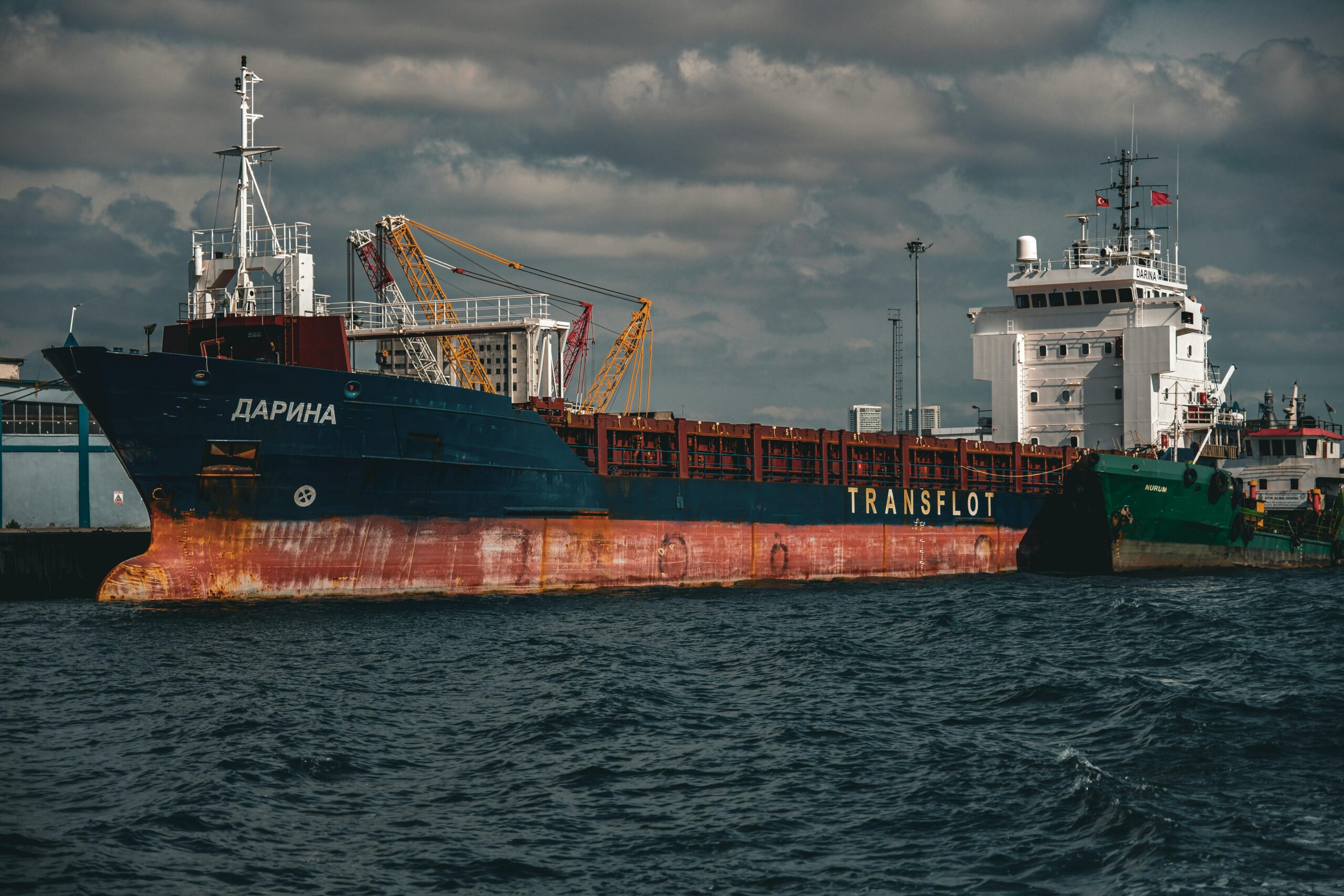
Q: What challenges are common in logistics, and how are they overcome? A: Common challenges include supply chain disruptions, customs delays, and fluctuating fuel prices. These are mitigated through strategic planning, diversified routes, and technology integration. For example, vessels like the TRANSFLOT cargo ship, with its reinforced hull and powerful engines, are built to handle sea rigors, ensuring reliable transportation logistics even in adverse conditions.
Q: Why choose maritime options in logistics? A: Maritime logistics is ideal for bulk cargo due to its cost-effectiveness over long distances. The TRANSFLOT vessel exemplifies this with its expansive deck space for maximum load capacity and efficient cargo handling systems, making it perfect for transporting industrial machinery or commodities across oceans.
Q: How does technology impact modern logistics? A: Technology like GPS tracking, AI-driven forecasting, and automated cranes revolutionizes logistics by enhancing accuracy and speed. In transportation logistics, this means fewer errors during loading and unloading, allowing services to meet global trade demands with precision and reliability.